

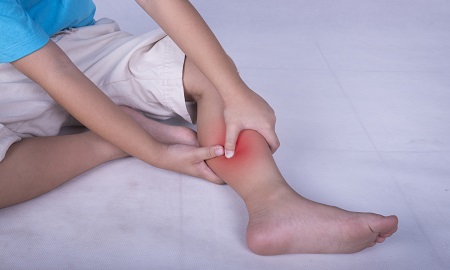
Shin splints is an injury common to athletes involved primarily in running sports. It is the name for pain experienced on the front edges or along the inside of the shin. There are two types of shin splints: Outer Leg Shin Splints – Shin Splints on the outside of the leg are typically a simple case of over-use and rarely require extensive treatment or rehabilitation, but if warranted, can be professionally addressed by a Physiotherapist.
Inner Leg Shin Splints – True Shin Splints involve the ‘Tibialis posterior’ muscle and are located on the inside or medial part of the shin bone. The Tibialis posterior lifts and controls the arch of the foot as it supports your weight. This functions a back-up mechanism for when the real arch-support muscles are not performing correctly and if this back-up is abused the tibialis posterior may struggle to cope under the excessive load.
What are the symptoms of Shin Splints?
A dull, aching, or even sharp pain in front of the lower leg. The area is generally painful to touch and (depending on what caused it) the pain can be located on either side of the shin bone or felt in the muscles. An ‘overuse injury’ typically has a few phases of progression which are: discomfort during warm up; discomfort disappearing during warm up, but re-appearing whilst active; discomfort getting worse when active and finally pain or discomfort throughout.
What causes Shin Splints?
Shin Splints are the result of overstrained muscles where they attach to the shin and is generally caused by overuse, overtraining, a sudden change in training and poor foot and leg biomechanics. Here are a few examples of specific causes:
- Under or over active foot muscles result in excessive pronation or supination of the feet.
- Training errors – like increasing training too quickly, suddenly, or changing running surfaces from soft to hard, or flat to angled.
- Incorrect footwear
- Poor flexibility in the ankle
- Poor core stability or buttock control
- Tight hamstrings and calf muscles and weak quadriceps.
What is my best course of action?
If you are experiencing what could be shin splints, you can directly contact your Physiotherapist who may diagnose Shin splints according to your history and a clinical examination. X-rays, bone scans or MRI may also be recommended to identify other possible causes like a stress fracture, should that seem necessary.
A typical treatment plan for Shin splints would initially entail a) Pain reduction and anti-inflammatory treatment with early injury protection; b) Regaining a full range of motion if there are stiff joints or tight muscles; c) Normalising foot biomechanics.
This would be followed by strengthening of calf and foot muscles and finally the introduction of a modified training program to facilitate a safe return to sporting activity. Contact us now and let us have you pain free and enjoying your sport as soon as possible.