

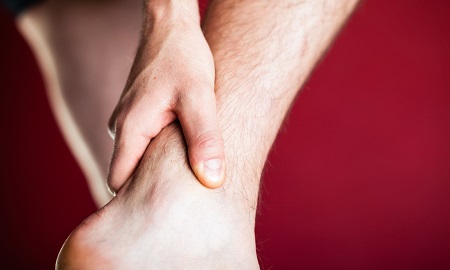
Tendinopathy encompasses tendon injuries and can develop in any tendon of the body. It includes Tendinosis and Tendonitis, which are different terms used for varying degrees of tendon injuries. Tendons are the tough fibres connecting muscles to bones. Tendon injuries generally occur near joints, like the shoulder, elbows, knees and ankles.
What is Tendonitis?
The commonly know term for a tendon injury is Tendonitis which indicates inflammation in a tendon, but inflammation is actually a good tendon healing response. When there is collagen degeneration in the tendon due to repetitive overloading though, the tendon enters a state of disrepair and is more accurately described as Tendinosis or Tendinopathy. These Tendinopathies are best treated with functional rehabilitation by a Physiotherapist.
How do I get tendon injuries?
Tendon injuries may seem to happen suddenly, but are usually the result of poor muscle control and strength as well as overuse over time and ageing. Although tendons are designed to withstand strong pulling and repetitive movement, when the load is too great for the tendon to withstand, they sustain small micro tears and become stressed and inflamed.
When these tears exceed the rate of repair due to overloading on the Tendons, this is where disrepair occurs and Tendonitis becomes Tendinosis or Tendinopathy.
What are the symptoms of Tendinopathy?
Pain, stiffness, and loss of strength in the affected area are all potential symptoms of Tendinopathy. You should look out for the following:
- Pain and stiffness during inactive periods like at night or when you rise in the morning.
- You feel more pain from use of the tendon.
- The tendon area may feel tender and warm, and look red or swollen in the case of inflammation.
- You can hear or feel a clicking or ‘crunching’ sound when you use the tendon.
Be aware that the symptoms of a tendon injury are in fact not unlike and can be mistaken for those of Bursitis.
If I have Tendinopathy what is my best course of action?
As it goes through various phases from being very manageable to very serious, it’s essential to have a suspected Tendinopathy professionally assessed to identify the extent of your injury. Tears, depending on their severity may initially be addressed conservatively, but if the response is poor, surgery may be needed. In the absence of a tear and before having a scan, physiotherapy would be the more direct route to resolve the condition. Contact your Physiotherapist directly for consultation and expert advice. Like many other conditions, early diagnosis and treatment together with an effective rehabilitation program can render Tendinopathy manageable if not curable.