Arthritis

Arthritis

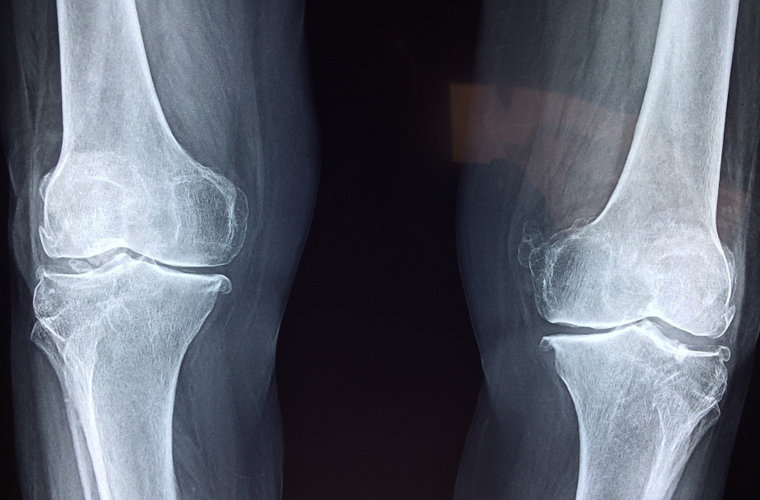
You have arthritis. What now? The closed ended diagnosis of arthritis can feel like a death sentence: Wear and tear. Your joint surface is damaged. The damage is responsible for your pain. Using the joint will damage it more. You need to stop doing the activities you...

read more
Bursitis

Bursitis

Bursitis is the swelling and inflammation of a small sac of synovial fluid. These sacs are found over bony prominences where a muscle (usually the muscle's tendon) could be at risk of high friction or damage. The resultant pain from the increased swelling and pressure...

read more
Delayed Onset Muscle Soreness

Delayed Onset Muscle Soreness

DOMS is the commonly used abbreviation of ‘Delayed Onset Muscle Soreness’ and is the pain and stiffness felt in muscles a while after unusual or strenuous exercise. Felt most strongly from 24 to 72 hours after exercise, it is thought to be caused by lengthening or...

read more
Fibromyalgia

Fibromyalgia

Widespread pain to the muscles of the body, unusually high levels of fatigue, tender points in multiple areas and great sensitivity to seemingly normal things, are all indicative of someone suffering from the disorder known as Fibromyalgia. What are the symptoms of...

read more
Groin Pain

Groin Pain

Groin pain or a Groin strain may be due to stress or a rupture to any of the following 5 structures: The hip adductor or inner thigh muscles - most commonly the ‘adductor longus’ The Iliopsoas or hip flexer muscles, which bend the hip forward on either the left or...

read more
Hip Pain

Hip Pain

People experience hip pain at different times and for different reasons. Most commonly, you fear that there is something wrong with the actual joint which could mean years of trouble or future operations which nobody wants! The first suggestion I make is to look at...

read more
Hip Impingement

Hip Impingement

The hip joint consists of a ‘ball and socket’ mechanism and it normally moves freely through a wide range of movements, but a problem that can interfere with this free motion is known as Hip impingement or FAI (Femoroacetabular Impingement). What are the symptoms of...

read more
Hip Labral Tear

Hip Labral Tear

The Labrum is a ring of cartilage that follows the outside rim of the socket of the hip joint. In addition to cushioning the hip joint, it acts like a rubber seal to hold the ball at the top of your thigh bone within your hip socket. When part of that cartilage is...

read more
Ligament sprains

Ligament sprains

‘Ligament sprains’ and ‘Muscle strain’ are often confused and usually written about in tandem, however they are in fact quite different. Muscle and tendon (joining muscle to bone) strains occur when there is a poor level of fitness or poor dynamic control within the...

read more
Muscle Tears or Strains

Muscle Tears or Strains

‘Muscle strains’ and ‘Ligament sprains’ and are often confused and usually written about in tandem, and although the rehabilitation principles are similar they are in fact quite different conditions. Ligaments join bone to bone and injuries occur when there is...

read more
Musculoskeletal Pain

Musculoskeletal Pain

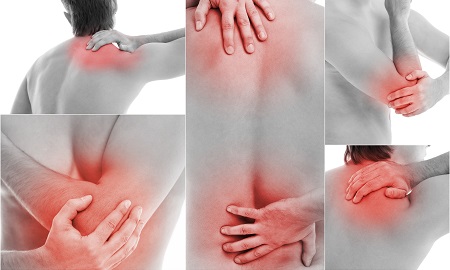
Musculoskeletal pain is pain caused by injury to the bones, joints, muscles, ligaments, tendons and/or nerves. The pain can be either acute or chronic and either localised or widespread. It is basically a summary of all the types of physical pain a person could suffer...

read more
Overuse injuries

Overuse injuries

Overuse injuries, as the term implies, are the result of the gradual, repetitive action and overuse of certain muscles, tendons or bones, as opposed to acute injuries, like a sprained ankle, which happen instantaneously. They can happen through sports, be work...

read more
Pes Anserinus Bursitis/Tendinopathy

Pes Anserinus Bursitis/Tendinopathy

Pes Anserinus is the area on the inside of, and just below the knee, where the tendons of three different muscles, the gracilis, sartorius and semitendinosus, attach. As this area is structurally vulnerable to friction and resultant tendon damage, there is a bursa...

read more
Pinched Nerve

Pinched Nerve

When a nerve becomes entrapped or ‘pinched’, usually because of injury to structures next to the nerve, this is referred to as a ‘Pinched nerve’, where nerve pain, damage and associated symptoms can occur. Self-diagnosed pinched nerves rarely need to be operated on...

read more
Sacroiliac Joint pain

Sacroiliac Joint pain

The Sacroiliac joints (SIJ) are formed by your pelvic bones joining onto either side of the sacrum bone, at the lower end of the spine. When any abnormal increase or decrease of movement at the joints take place, this may lead to Sacroiliac pain, which is known as...

read more
Sciatica

Sciatica

The sciatic nerve is the main nerve running from the lower back to your foot and any irritation or pinching of this nerve can cause severe leg pain, which is commonly called Sciatica. Long term and unrelenting compression of the Sciatic nerve can cause damage or...

read more
Tendinopathy

Tendinopathy

Tendinopathy encompasses tendon injuries and can develop in any tendon of the body. It includes Tendinosis and Tendonitis, which are different terms used for varying degrees of tendon injuries. Tendons are the tough fibres connecting muscles to bones. Tendon injuries...

read more