

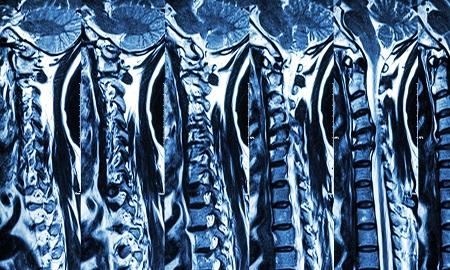
Spinal Stenosis is a narrowing of the open spaces within the spinal column. Occurring most often in the neck and the lower back, this can put pressure on the spinal cord and nerves that travel to the arms and legs. While in some cases it can be so mild as to not even cause any symptoms of discomfort, in others it can be so severe that surgery will be recommended to create additional space for the spinal cord or nerves. This should still be considered very carefully and only if the conservative approach has failed to restore good pain-free movement and function.
What are the causes of Spinal stenosis?
Stenosis typically occurs when structures in and around the vertebral column start intruding on the space within the spinal canal. Typical causes include:
Bone overgrowth: Osteoarthritis on the spinal bones may result in bone spurs which can grow into the spinal canal. This can also be caused by Paget’s disease.
Growths: Abnormal growths and tumours can form inside the spinal cord, within the membranes or the space between the spinal cord and the vertebrae.
Ligament thickening: The thickening and stiffening of these tough bands which bind the spinal bones can bulge into the spinal canal.
Herniated disks: When spinal discs are put under excessive pressure over an extended period (often due to poor movement patterns and/or postures) they may be unable to withstand these pressures and start bulging beyond their intended space.
Accidents and trauma: Dislocations or fractures of the vertebra can damage the spinal cord within the spinal canal … Post-operative swelling, which is a normal response, may also temporarily increase the pressure on the spinal cord, leading to signs of stenosis.
What are the symptoms of Spinal stenosis?
Spinal stenosis is often discovered by chance on an x-ray while the patient had no symptoms indicating dysfunction of the neural system. Symptomatic cases, however, may present with the following:
Spinal stenosis in the lower back may cause pain, numbness and tingling in the legs as well as poor balance. In severe cases, patients may lose feeling and power along with bladder and/or bowel control.
In relation to the neck, tingling in a hand is the most common, but numbness or tingling and feelings of weakness in a foot, leg, arm or hand may all occur. As the communication from the legs, pelvis and torso also run up through the neck to the brain, any of the lower back stenosis symptoms may be present in the case of stenosis in the neck.
What is my best course of action?
If you have persistent numbness, weakness and/or pain in your legs, arms, back or neck your physiotherapist can clinically assess your unique condition and advise on whether the feelings you are experiencing are Spinal stenosis or perhaps a different condition and either suggest further investigations or embark on a course of treatment that will reduce pain and inflammation, restore your alignment and strength and ultimately restore optimal function. Save time and money by contacting us directly to help you take control of your body again.