

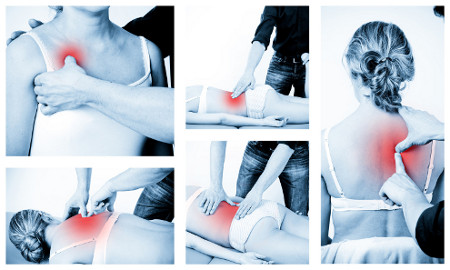
Musculoskeletal pain is pain caused by injury to the bones, joints, muscles, ligaments, tendons and/or nerves. The pain can be either acute or chronic and either localised or widespread. It is basically a summary of all the types of physical pain a person could suffer from.
The more common types of musculoskeletal pain are lower back pain (LBP), whiplash, headaches, tendonitis (tendon inflammation), myalgia (muscle pain) and fractures. These could result from trauma, repeated movements, sports/exercise, poor posture or being immobilised (keeping still) for a prolonged period of time.
The symptoms differ from person to person and depend greatly on the cause and the duration of the injury. Common symptoms include: Pain that is aggravated by movement and remains after movement; Stiffness or aching with or without any movement; Sharp, stabbing pain with movement that resolves greatly after movement; Fatigue, Sleep disturbances or the inability to get comfortable; Burning sensations and Twitching.
My rule of thumb for any musculoskeletal pain is to have an assessment and treatment done by a Physiotherapist if you have not seen a drastic improvement within 3 days of the onset of the pain. Patients commonly try to cope by using medication and only turn to Physiotherapy after a few months having tried numerous remedies (or trying to ignore the pain). The problem here is that even an acute injury has then become chronic. The muscles have tightened more, the joints have sustained further damage while moving differently (in an attempt to avoid the pain during function) and the medication has not only cost a lot (while simply hiding your symptoms), but they have usually also started damaging your stomach lining.
The effect of all this is that you may have problems with ulcers, you have spent money and you have had no actual healing of the injury. In fact, the injury has most probably progressed and the number of treatments you may need to help the injury heal is now substantially more.
Very few people know just how simple it could be to rid you of the niggles you deal with on a daily basis. AND in South Africa, you do not even need a referral from your GP as Physiotherapists are first-line practitioners which means that we can assess, diagnose and treat the problem while being fully aware of other possible conditions outside the scope of Physiotherapy for which we will refer you to the relevant practitioner if need be.
Treatments for musculoskeletal pain may include splinting, rest, heat or icing, myofacial release, joint mobilisations or manipulations, dry needling, strengthening/conditioning/stretching exercises and anti-inflammatory/muscle relaxing medications. These treatments will vary depending on the findings on assessment, your diagnosis and the nature of the condition.